

Education has gone through a massive transformation in recent years. With the rise of digital platforms, students today can choose between attending classes online or sticking with the traditional classroom model. Both approaches have unique benefits and challenges, which makes it important to compare them carefully. The question many learners and parents ask is simple: which one is better?
Flexibility and Convenience
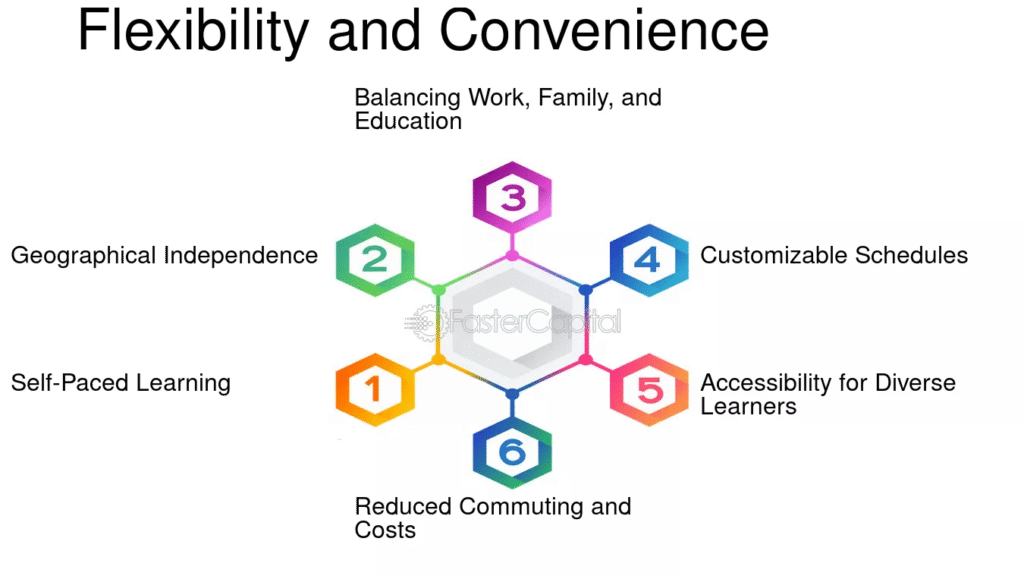
One of the biggest advantages of online learning is flexibility. Students can attend lectures from anywhere with an internet connection. This is especially helpful for working professionals, parents, or those who live far from schools and universities. Online classes also save commuting time, giving students more freedom to plan their day.
On the other hand, traditional classrooms run on fixed schedules. While this creates discipline and routine, it may feel restrictive for students who prefer learning at their own pace.
In comparison, traditional classrooms run on fixed timetables. While this setup brings structure and routine, it may feel rigid for students who prefer learning at their own pace or those who juggle multiple responsibilities.
For example, a working professional might log into an evening lecture after office hours, or a parent can study during their child’s nap time. This flexibility makes education more accessible to people who would find traditional schedules challenging.

Interaction and Social Experience

Classrooms offer face-to-face interaction, not only with teachers but also with peers. This environment builds teamwork, communication skills, and friendships that last beyond school. Group discussions, presentations, and activities make learning more engaging.
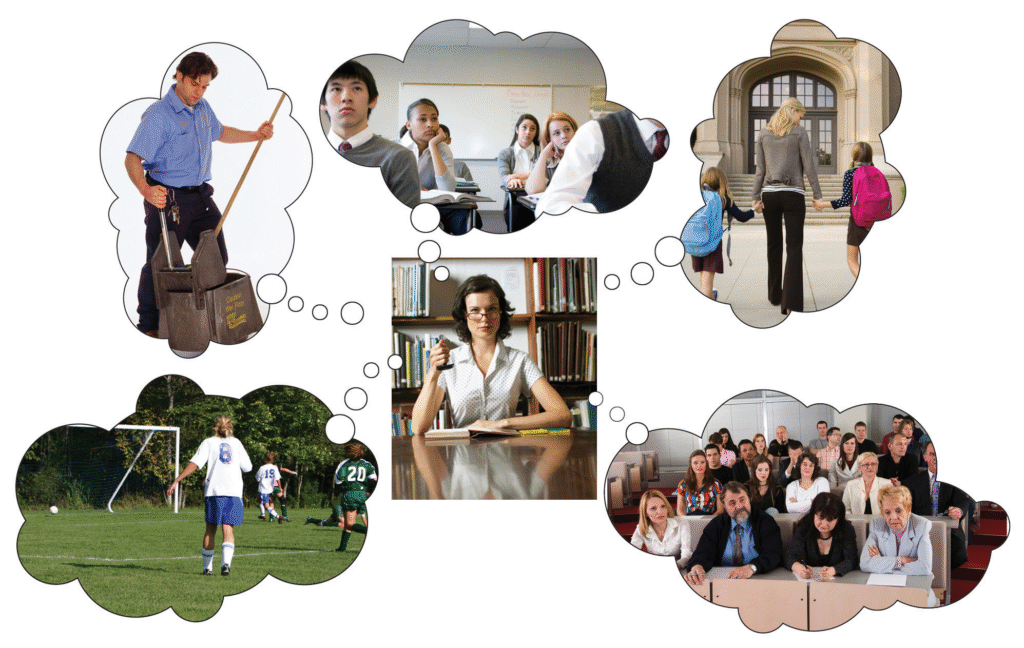
Social interaction is the way people act and react in relation to others. It’s the foundation of social life — through interaction, we build relationships, share culture, and create norms. Whether it’s a quick nod to a stranger or a deep conversation with a friend, interactions shape how society functions day to day.
Online learning can feel isolating at times. Although most platforms provide discussion forums, live chats, or virtual group projects, the human connection is not always as strong as in a physical classroom.
Learning Resources and Tools
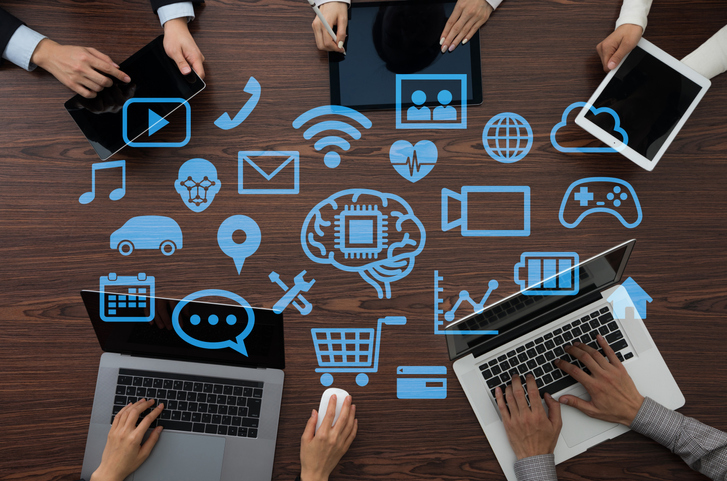
Digital learning platforms come with features like recorded lectures, quizzes, e-books, and interactive modules. These resources allow students to review lessons multiple times and learn at their own speed. Technology also introduces innovative tools like virtual labs and AI-powered study assistants.
Traditional classrooms, however, provide hands-on learning experiences. Subjects like science, art, or sports often benefit more from in-person demonstrations and practice. Having direct access to teachers also means doubts can be clarified instantly.

Cost and Accessibility
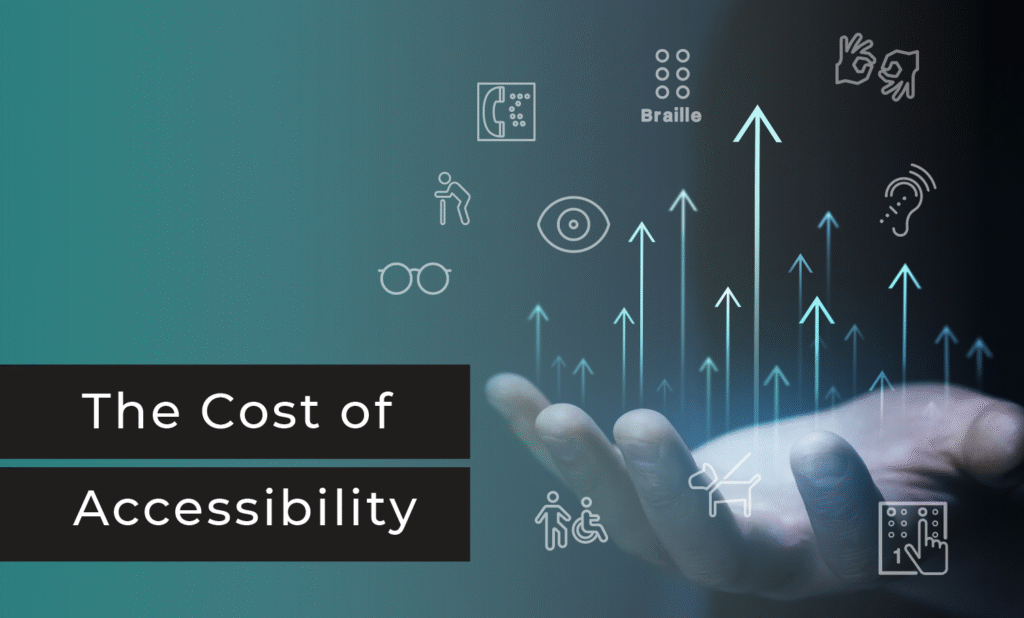
The cost of education refers to the financial resources required to access learning opportunities
Accessibility means how easily people can enter, participate in, and benefit from education. It’s not only about physical access but also economic, social, and cultural access.
For many families, cost plays a major role. Online education can be more affordable because it removes expenses like travel, hostel fees, and sometimes even textbooks. It also opens doors for students in rural or remote areas who may not have access to quality schools nearby.

At the same time, traditional education still carries value. Some students need the structured environment of a classroom to stay focused. In many cases, degrees from established universities with in-person programs still hold higher recognition in certain industries.
Performance and Discipline
Performance refers to how well students achieve academically and develop skills through the learning process.
Discipline is about self-control, responsibility, and following a structured set of rules or guidelines in the learning environment.

Online classes demand self-motivation. Without regular supervision, students may struggle with distractions or procrastination. Success in digital learning requires good time management and strong discipline.

Traditional classrooms provide external accountability through attendance, deadlines, and teacher supervision. For younger students especially, this structure often leads to better consistency in learning.
Which One is Better?
There is no one-size-fits-all answer. Online learning is perfect for those who value flexibility, independence, and technology-driven resources. Traditional classrooms work better for students who thrive in structured environments and enjoy direct interaction with teachers and peers.
For many, a blended model that combines both approaches could be the best solution. Hybrid education allows learners to experience the discipline of classrooms while enjoying the flexibility of online resources.
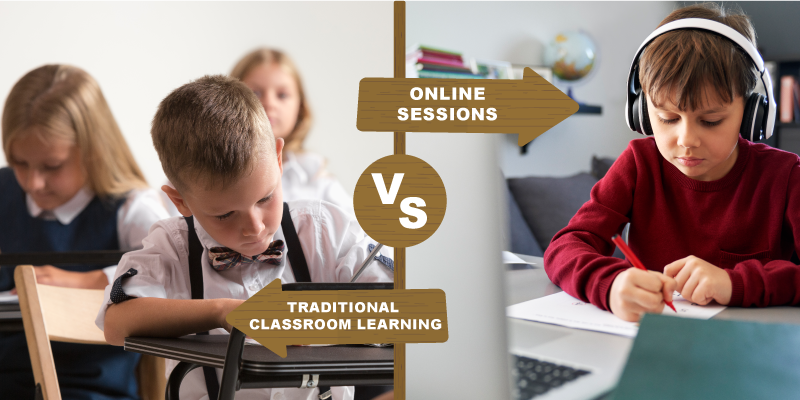

Education is not just about where you study but how effectively you learn. Both online and traditional learning come with strengths that can shape a student’s academic journey. The key is to choose the method that aligns with personal learning style, lifestyle, and future goals.
Note: This article is for informational purposes only. It does not replace academic or career guidance. Always consider your individual needs before choosing a learning method.
#OnlineLearning #TraditionalClassrooms #Carrerbook #Anslation #StudentSuccess #EducationTrends #EdTech #ModernLearning #HybridEducatio