

Lucknow, often called the City of Nawabs, is a beautiful blend of royal charm, timeless architecture, and heartfelt hospitality. While most travelers visit the famous Bara Imambara or Rumi Darwaza, there’s a hidden side to the city that’s often overlooked. These lesser-known spots tell stories of forgotten eras, architectural brilliance, and cultural depth that shaped Lucknow’s soul.
Let’s explore some of Lucknow’s secret heritage gems you simply can’t miss.
1. Chhota Imambara – The Glowing Jewel of Lucknow
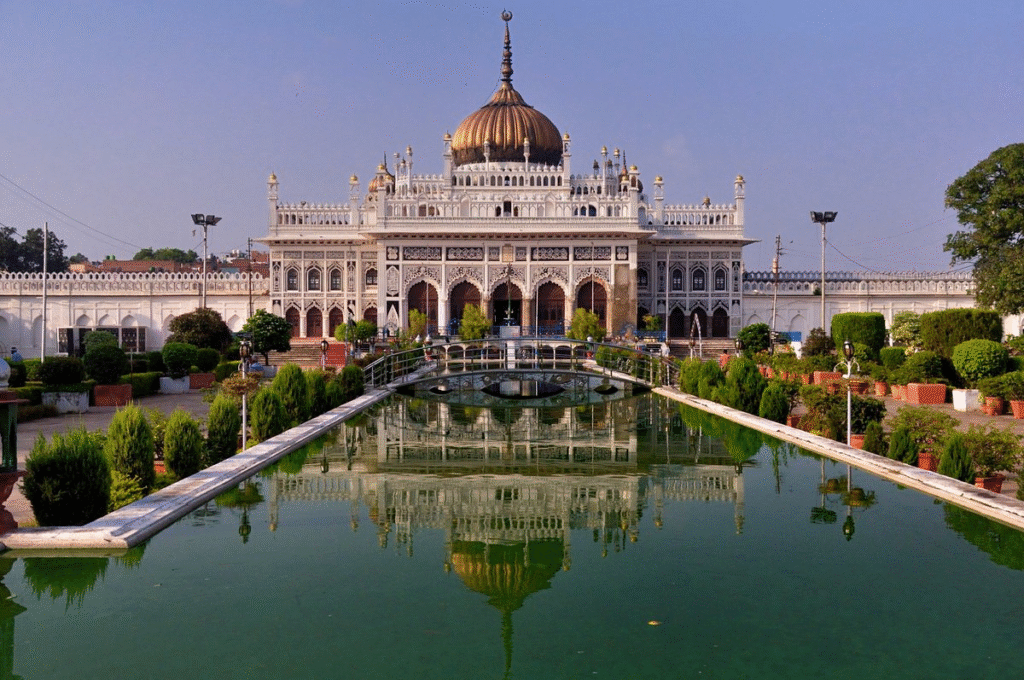
Often overshadowed by the Bara Imambara, the Chhota Imambara is a breathtaking monument built by Muhammad Ali Shah in the 19th century. Its chandeliers, calligraphy, and intricate interiors earn it the title “Palace of Lights.” Visit in the evening when the monument glows beautifully, reflecting its grandeur in the surrounding water tank.
2. Picture Gallery – Echoes of the Nawabi Era
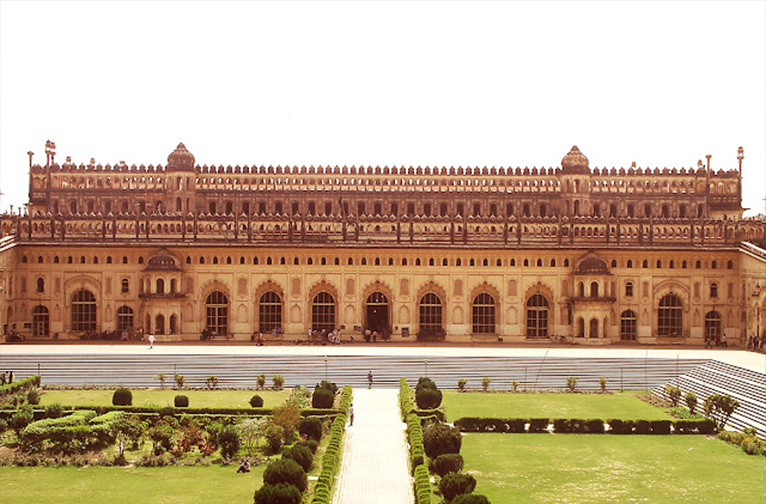
Tucked inside the Hussainabad complex, the Picture Gallery houses life-size oil portraits of Awadhi rulers. The red-brick structure, built in the 19th century, is an underrated spot that art and history lovers will adore. Each painting captures the elegance and pride of Lucknow’s Nawabs.
3. Dilkusha Kothi – A Touch of British Elegance
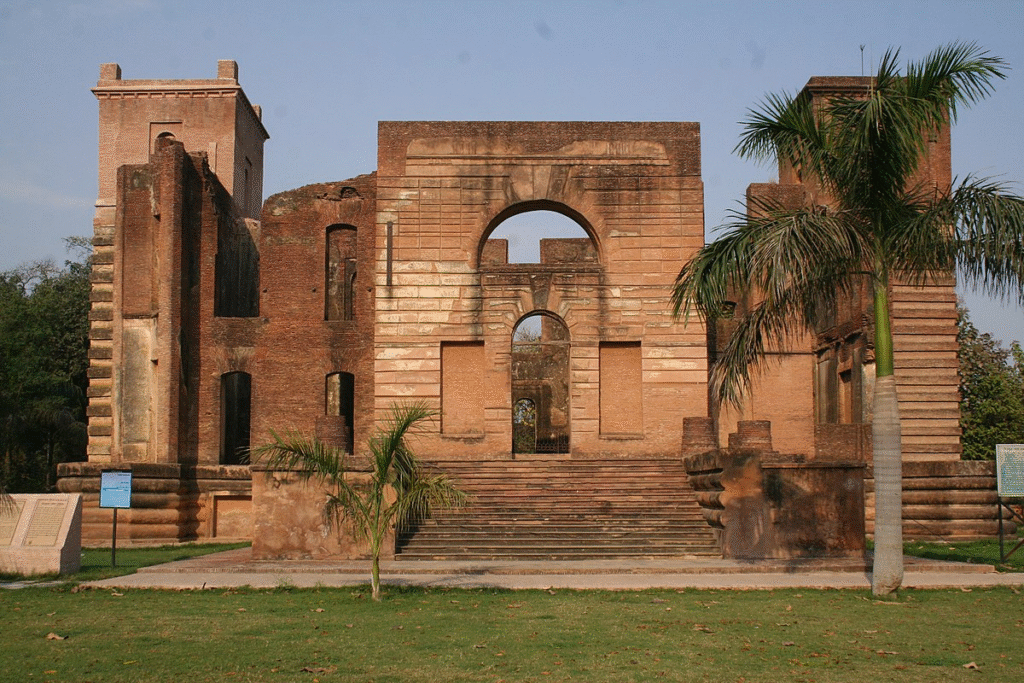
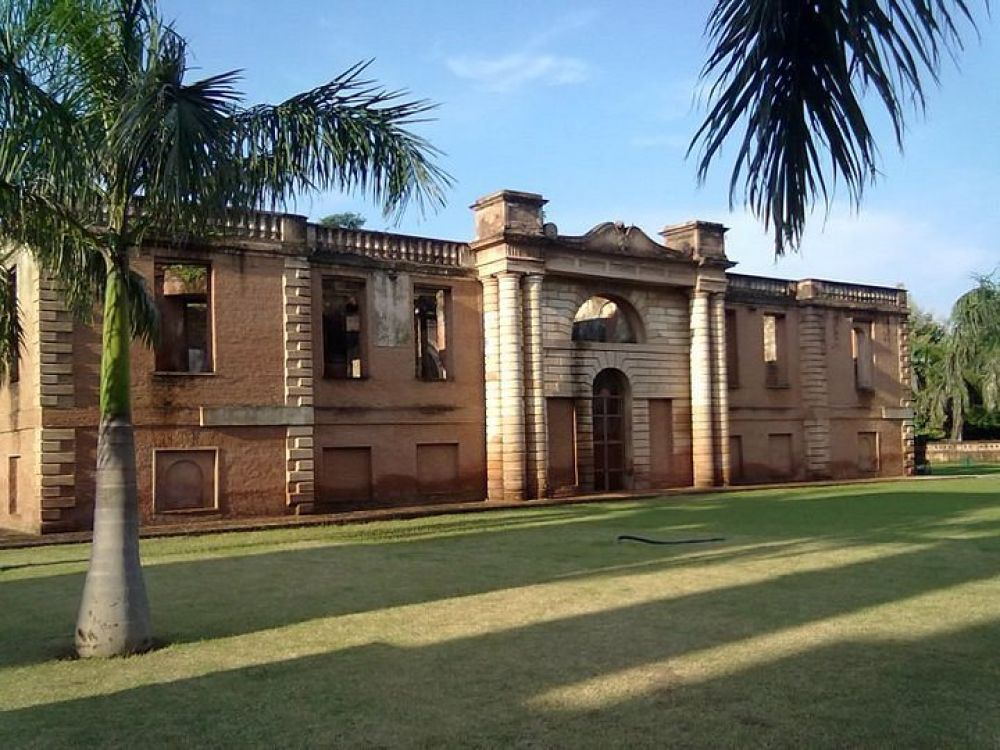
Dilkusha Kothi may be in ruins today, but it’s a quiet reminder of colonial Lucknow. Once a hunting lodge and later a battle site during the Revolt of 1857, it blends European architecture with Indian history. The surrounding gardens make it a perfect escape from the city’s bustle.
4. Residency Ruins – A Glimpse into the 1857 Uprising
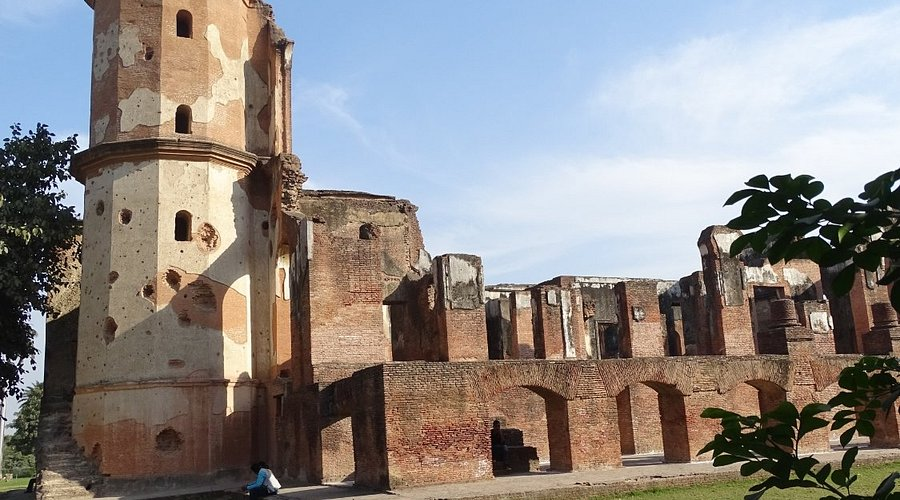
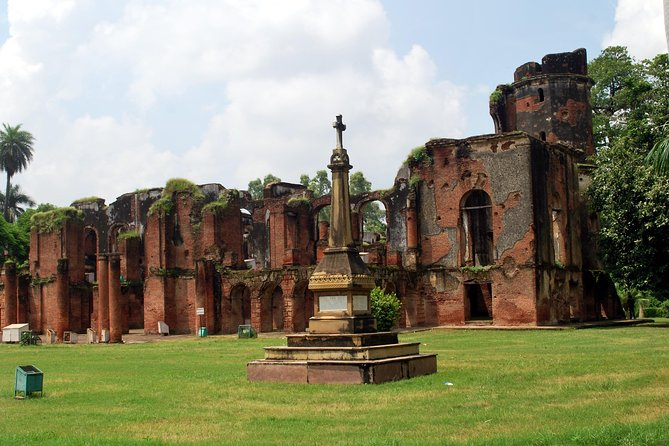
Though not entirely hidden, the Residency is often under-appreciated. It’s a must-see for those interested in India’s freedom struggle. Walking through the bullet-marked walls and silent memorials takes you back to the days of the First War of Independence.
5. Kaiserbagh Palace – The Forgotten Royal Courtyard
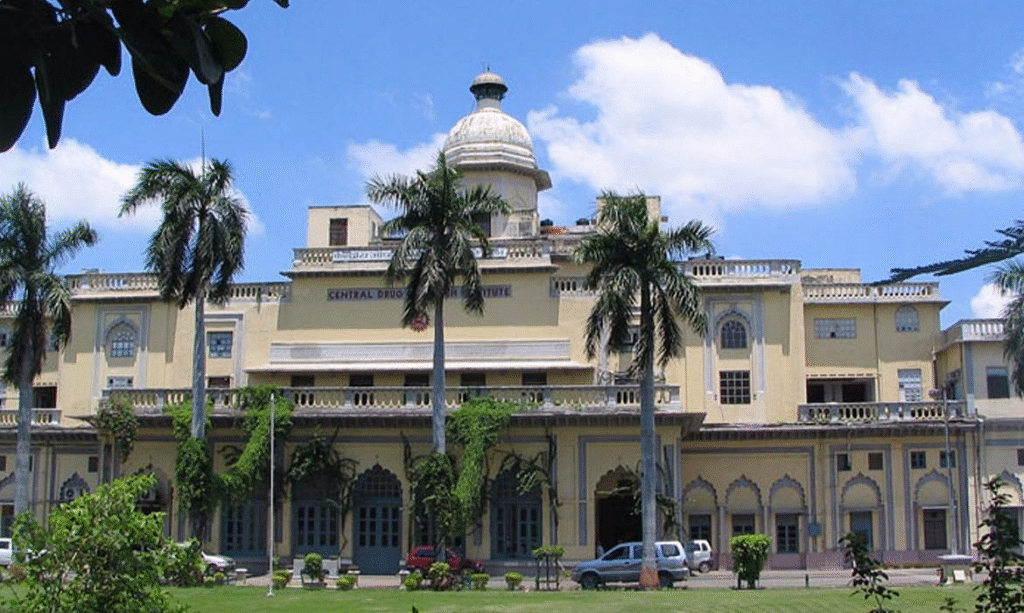
Built by Nawab Wajid Ali Shah, Kaiserbagh once symbolized royal luxury. Today, its broken arches and gateways whisper stories of opulence and downfall. The nearby Safed Baradari adds another layer of Lucknow’s poetic charm.
6. Tomb of Saadat Ali Khan – An Architectural Gem
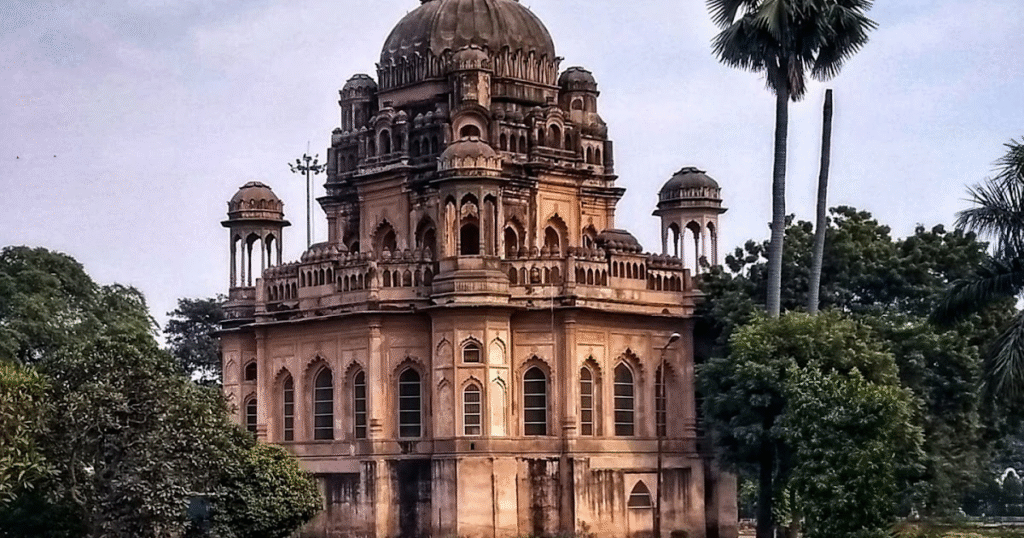
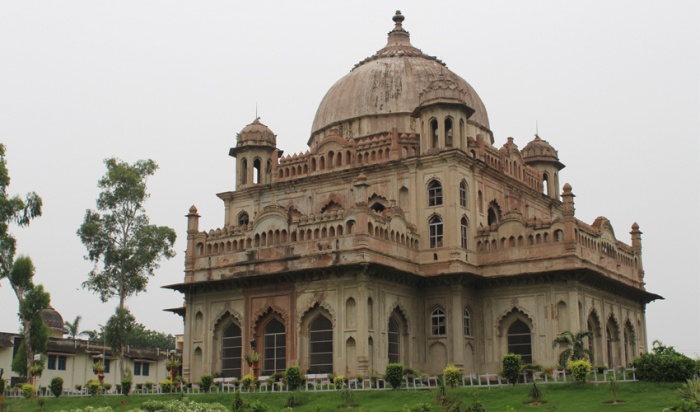
Located near Begum Hazrat Mahal Park, this elegant mausoleum is one of Lucknow’s finest examples of Awadhi architecture. The detailed domes and symmetrical design make it a photographer’s delight and a peaceful heritage spot for explorers.
7. Satkhanda – The Unfinished Tower of Lucknow
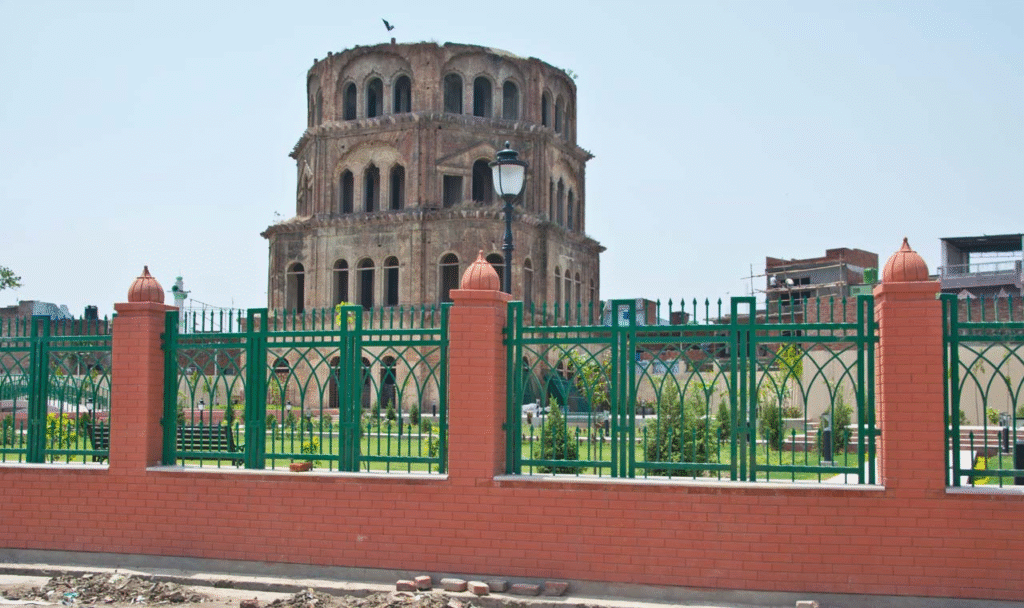
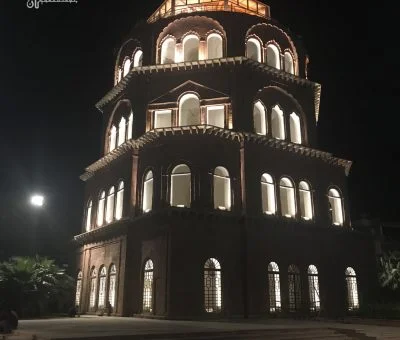
Meaning “seven stories,” Satkhanda was intended to be a watchtower but was never completed. The four-story red brick structure offers a fascinating view of old Lucknow and stands as a symbol of Nawabi ambition and artistry.
Travel Tips
- Best Time to Visit: November to February (pleasant weather for exploring).
- Getting Around: Hire a local guide or use an e-rickshaw to discover hidden gems easily.
- Pro Tip: Try combining your heritage walk with Lucknow’s street food trail — kebabs, biryani, and kulfi will make the journey unforgettable!
Final Thoughts
Lucknow isn’t just about monuments; it’s about emotions, stories, and the artistry that lingers in its old streets. The city’s hidden heritage gems remind us that beauty often lies beyond the obvious. So, next time you plan a trip, go off the beaten path — and let Lucknow surprise you.
The information in this article is intended for general travel inspiration. Historical details, timings, and accessibility of the mentioned sites may change over time. Visitors are encouraged to verify local guidelines, entry requirements, and safety measures before planning their visit. The author and website are not responsible for any discrepancies or changes that occur after publication.
#Lucknow #HeritageWalk #HiddenGems #TravelIndia #c #ExploreLucknow #IncredibleIndia #TravelDiaries #CulturalHeritage #Wanderlust #IndianArchitecture #Anslation #Carrerbook #OffbeatTravel #TravelGuide #CityOfNawabs #HeritageTour