

Managing your finances can feel overwhelming at first, but with the right approach, anyone can take control of their money and build a secure future. In this guide, we’ll break down the essential steps to mastering personal finance, making it easier for you to achieve financial independence and peace of mind.

1. Understand Where Your Money Goes

The first step in managing your finances is understanding how you spend your money. Start by tracking all your expenses, from groceries to monthly bills.
You might be surprised at where your money is going. Using budgeting apps or even a simple spreadsheet can help you visualize your spending habits and pinpoint areas where you can cut back.
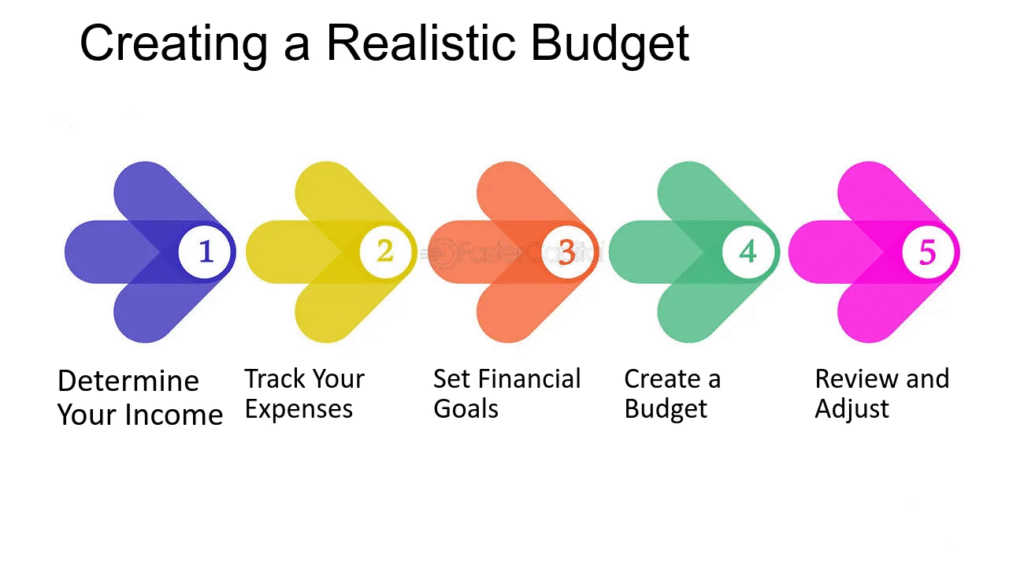
2. Create a Realistic Budget
A budget is the foundation of financial success. It helps you allocate your income efficiently, ensuring you cover essential expenses while saving for the future. To create a budget that works for you, follow the 50/30/20 rule:
- 50% of your income goes to needs (like rent and utilities),
- 30% to wants (entertainment, dining out),
- 20% for savings and debt repayment.
Adjust these percentages to match your specific situation, but always prioritize saving for the future.
3. Build an Emergency Fund
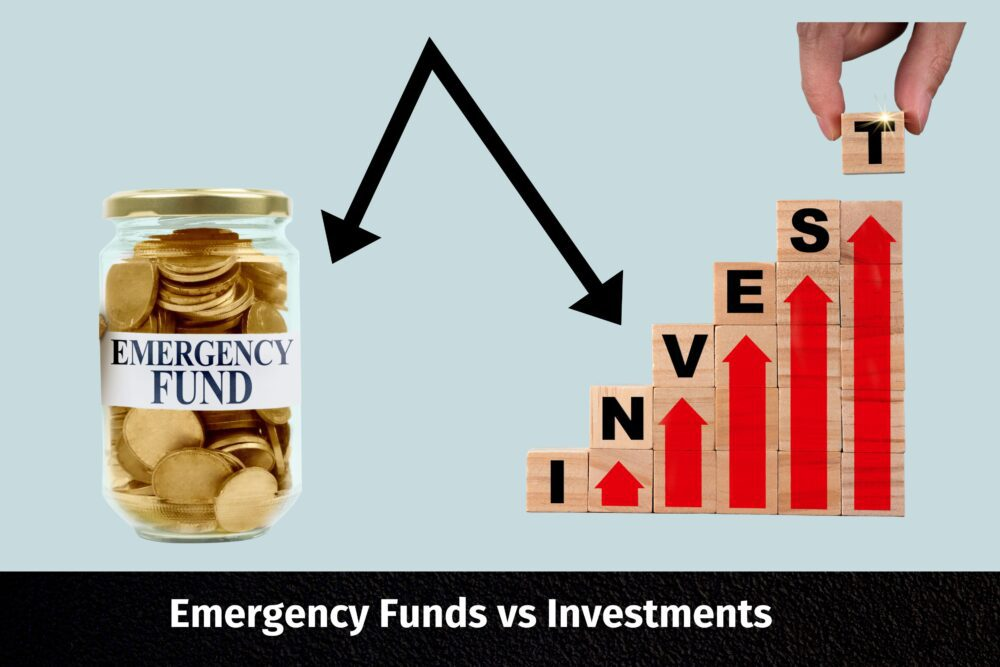
Life is unpredictable, and having an emergency fund can provide peace of mind when unexpected expenses arise, like medical bills or car repairs.
Aim to save at least three to six months’ worth of living expenses in a separate account that’s easy to access but not too tempting to dip into. This fund will act as a financial cushion when life throws you a curveball.

4. Pay Off Debt Strategically
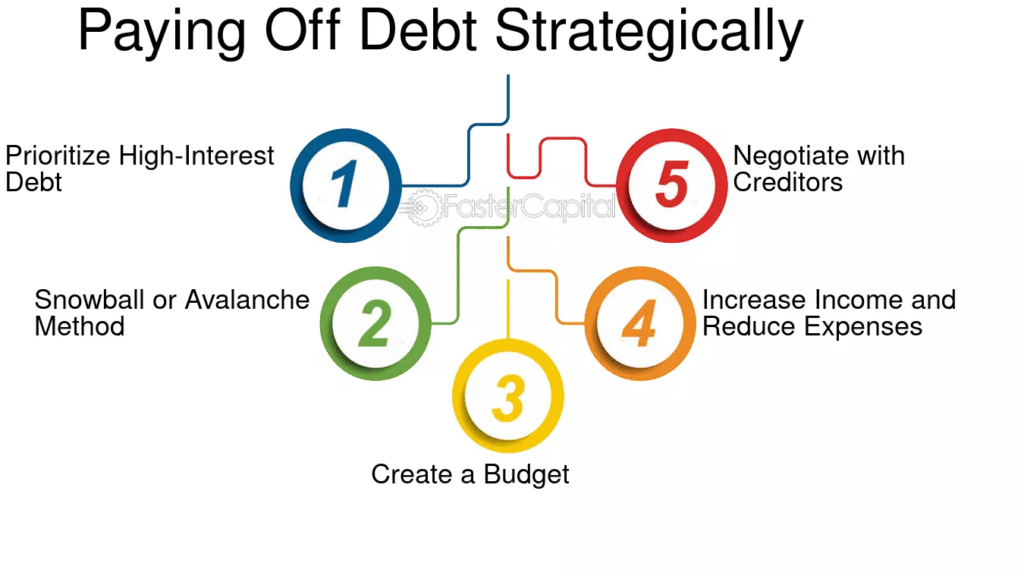
Debt can be a significant roadblock on your journey to financial freedom. Focus on paying off high-interest debt first, such as credit cards or payday loans.
Once those are cleared, tackle your student loans or mortgage. Consider using the debt snowball method, which involves paying off smaller debts first for a confidence boost, or the debt avalanche method, which saves you more money in interest.

5. Start Saving for Retirement Early

The earlier you start saving for retirement, the more you can take advantage of compound interest. Even small contributions to a retirement account like a 401(k) or IRA can grow substantially over time.
If your employer offers a matching contribution, make sure you’re contributing enough to take full advantage of that benefit.

6. Invest for Long-Term Growth
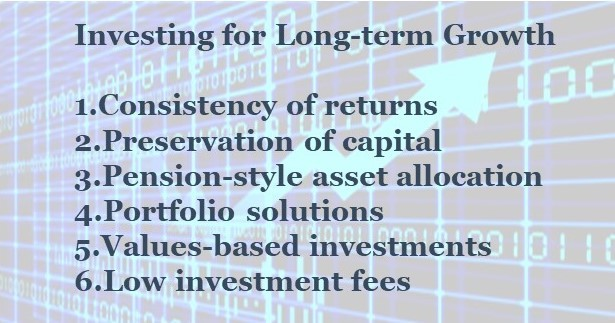
Investing isn’t just for the wealthy; it’s an essential part of growing your wealth over time. Explore options like stocks, bonds, or mutual funds.


If you’re new to investing, consider starting with a low-cost index fund or ETF (exchange-traded fund) that provides exposure to a broad range of companies. Start small and gradually increase your investment as you learn more about the market.
7. Continuously Educate Yourself About Finance

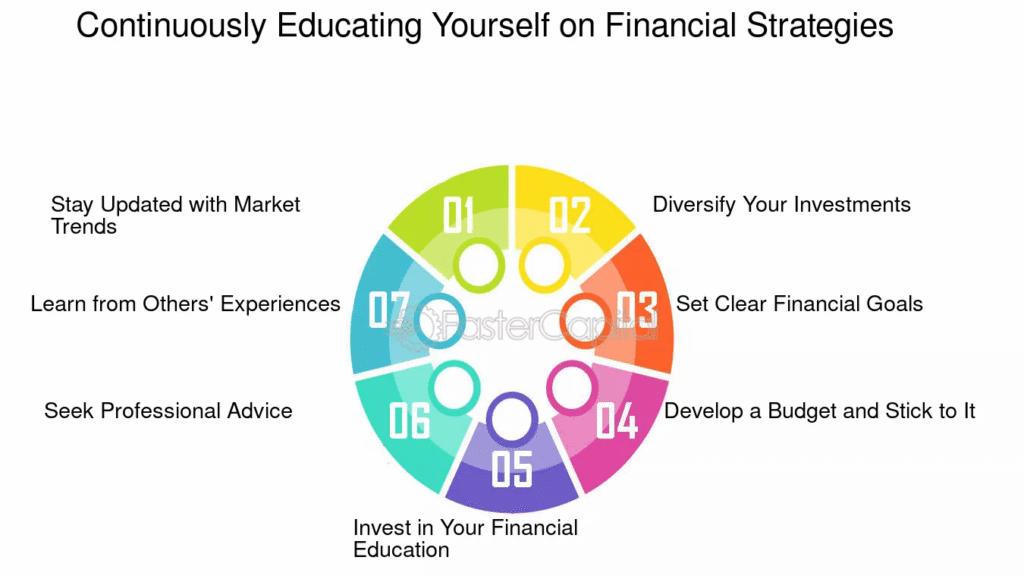
Personal finance is an ever-evolving field, and staying informed is crucial to making the best decisions. Read books, attend workshops, or follow finance blogs and podcasts to keep up with the latest trends and tips. The more you know, the better equipped you’ll be to make sound financial choices.
8. Set and Track Your Financial Goals
Setting clear, measurable goals is a key component of financial success. Whether it’s saving for a down payment on a house or paying off a credit card, having a specific goal helps you stay motivated


Break down your long-term goals into smaller, actionable steps and track your progress regularly. Celebrate small victories along the way to keep your momentum going.
9. Protect Your Assets with Insurance

While saving and investing are important, it’s equally crucial to protect what you’ve worked for. Insurance helps shield your finances from unexpected events like accidents, health issues, or natural disasters.

Consider getting health, life, auto, and home insurance based on your needs. Adequate coverage ensures that you won’t be derailed by financial setbacks.
10. Keep a Long-Term Perspective

Building wealth takes time, and there will be ups and downs along the way. Avoid chasing quick fixes or risky investments that promise fast returns. Stay focused on your long-term goals and be patient.

Consistency in saving, budgeting, and investing will pay off in the long run.
The content on this website is for informational and educational purposes only and should not be considered financial advice. While we strive to provide accurate and up-to-date information, personal finance decisions involve risks and vary based on individual circumstances. Always consult with a qualified financial advisor or professional before making any investment, savings, or financial planning decisions. We are not responsible for any financial losses or outcomes resulting from the use of information provided on this site.
#PersonalFinance #MoneyManagement #FinancialFreedom #BudgetingTips #InvestingSmart #SavingsGoals #DebtFreeJourney #FinancialPlanning #WealthBuilding #MoneyTips #FinancialEducation # Anslation # Carrerbook #SmartInvesting #RetirementPlanning #MoneyMatters #FinanceGuide