

Starting your investment journey can feel overwhelming, especially when you’re bombarded with terms like “diversification” or “compound returns.” But the truth is, you don’t need to be a financial expert to grow your money. With the right mindset and a few smart choices, anyone can start building wealth—step by step.
1. Start with Your Emergency Fund

Before putting money into any investment, make sure you have an emergency fund. Think of it as your financial safety net. Ideally, it should cover at least three to six months of expenses. This fund protects you from dipping into investments during unexpected situations like job loss or medical bills.
Pro tip: Keep your emergency savings in a high-yield savings account so it earns interest while staying easily accessible.
2. Consider Index Funds for Simplicity
If you’re new to investing, index funds are one of the easiest and safest ways to get started. They track a market index (like the S&P 500) and spread your money across many companies, reducing risk.
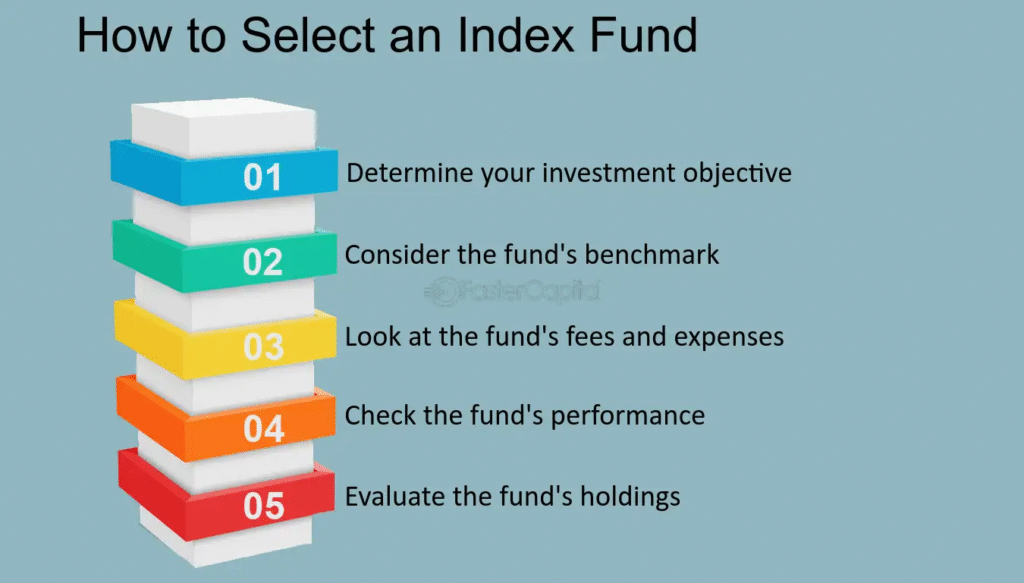
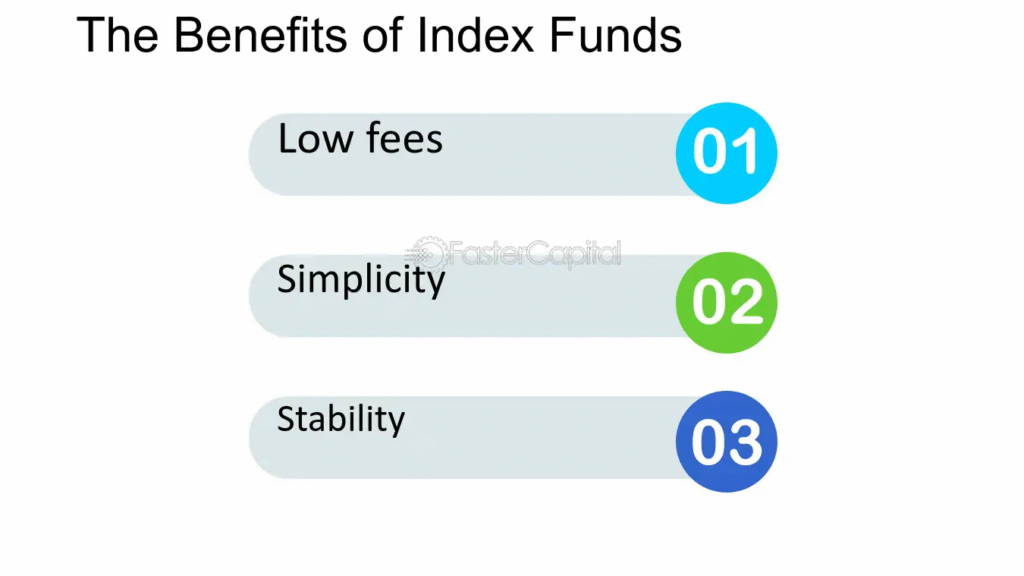
You don’t have to research individual stocks or worry about timing the market—just invest regularly and let compounding do the work.
Example: If you invest $100 every month in an index fund that grows at 8% annually, you could have over $15,000 in ten years.
3. Exchange-Traded Funds (ETFs)
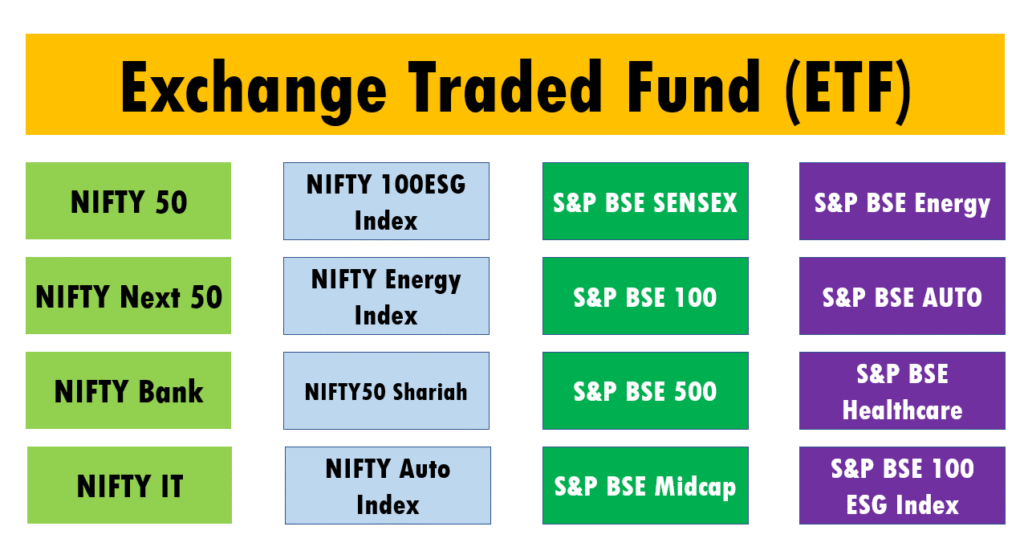
ETFs work similarly to index funds but trade like stocks. They give you flexibility to buy and sell throughout the day, often with low fees. You can choose ETFs based on specific industries, such as technology, healthcare, or clean energy, depending on what interests you most.
Why beginners love ETFs: They’re low-cost, diversified, and easy to manage from most investment apps.
4. Try Retirement Accounts (401k or IRA)
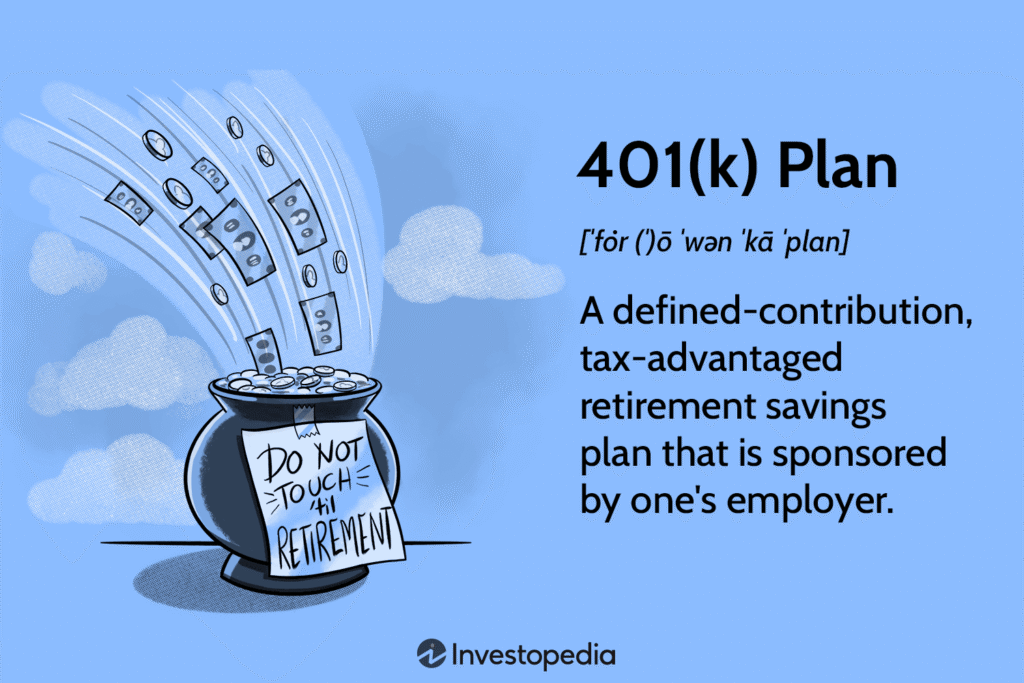
If your goal is long-term wealth, take advantage of retirement accounts like a 401(k) or IRA. These accounts offer tax benefits, meaning you keep more of what you earn over time.
If your employer matches your 401(k) contributions, always contribute enough to get the full match—it’s basically free money.
5. Explore Bonds for Stability
Stocks can be exciting, but they can also fluctuate. Bonds balance things out by providing steady returns with lower risk. Government and corporate bonds are popular among beginners who want a more stable portfolio.

Quick tip: Think of bonds as the calm partner to your riskier investments. They help smooth out the ups and downs.
6. Real Estate Investing (Even Without Owning Property)


You don’t need to buy a house to invest in real estate. Platforms like REITs (Real Estate Investment Trusts) let you invest in real estate projects and earn passive income without being a landlord.
It’s a great way to diversify your portfolio while earning dividends.
7. Stay Consistent with Dollar-Cost Averaging

Investing consistently—regardless of market conditions—helps reduce emotional decisions. This approach, called dollar-cost averaging, means investing a fixed amount regularly. Over time, you’ll buy more when prices are low and less when they’re high, evening out your costs.
8. Keep Learning and Stay Patient
The best investors aren’t those who jump on every trend. They’re the ones who stay informed and patient. Read about personal finance, watch educational videos, and track your progress every few months.
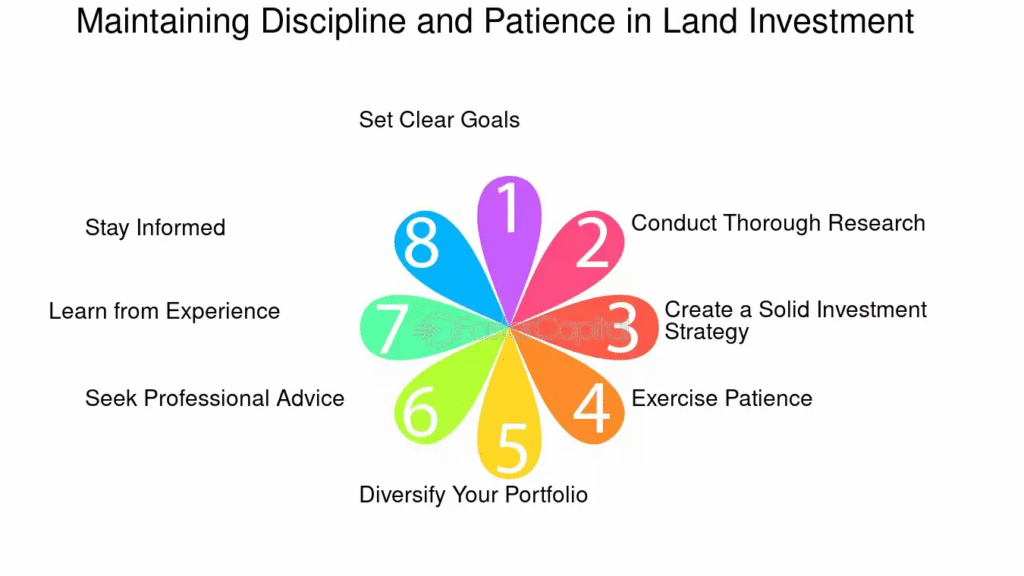
Remember, investing isn’t about getting rich overnight. It’s about growing your money slowly and steadily.
Final Thoughts
Starting small is perfectly fine. What matters most is consistency. Choose a few beginner-friendly investments, stick to your plan, and watch how your money starts working for you.
Every dollar invested today brings you one step closer to financial independence tomorrow.
The information in this article is for educational and informational purposes only. It should not be considered financial or investment advice. Always do your own research or consult a qualified financial advisor before making any investment decisions. The author and website are not responsible for any financial losses or outcomes resulting from actions taken based on this content.
#InvestingForBeginners #SmartInvesting #PersonalFinanceTips #WealthBuilding #MoneyMatters #FinancialFreedom #BudgetAndInvest #InvestSmart #PassiveIncome #FinanceGoals#Anslation #Carrerbook #StockMarketBasics #FinancialLiteracy #MoneyManagement #InvestmentGuide #GrowYourWealth